How would you like to see the Music Pro ’26 conference through the eyes of an attendee?
Well, you’re in luck, because while in Hollywood, CA, at the Musicians Institute, David caught up with Linda Blaise to have her share about her experience at Music Pro ’26, the sessions, the celebrity musicians, her takeaways, and more.
Be sure to take a moment to thank her for her time!
In This Episode:
The truth about music royalties
How “professional” Music Pro ’26 conference really was
The cool thing that happened at Paul Reed Smith’s session
The qualities that Grammy Award-winning musician and producer Erick Walls exudes
What Linda would like to see at future Music Pro conferences
What the ideal release schedule is
Why Linda believes people need time to absorb your new music
The sessions were wide ranging. Here are but a few of the highlights:
Opening keynote with Steve Vai (interviewed by BandLab’s Kevin Breuner)
Paul Reed Smith’s session on Rhythm, Melody, and Harmony (featuring Tim Pierce, Curt Bisquera, and Alex Al
What the Music Directors Want with Dory Lobel
Stop Chaing Viral. Start Building a Career with Kevin Breuner
The TikTok Wizardry of Kira Lise presented by Shure
A Fireside Chat on Digital Distribution with DistroKid’s Mike Fink
Closing keynote with T Bone Burnett
With concurrent sessions, there was no way for David to attend all or meet everyone, but his coverage of the conference is one-of-a-kind.
Conferences will be eager to hire David to interview attendees, staff, organizers, volunteers, celebrities, and panelists in the future, to capture the authenticity and aliveness of their events.
You’re Invited to Subscribe!
Thanks for tuning in. If you enjoyed this episode of The David Andrew Wiebe Show, we have more on the way. Please take a moment to subscribe. You will receive weekly email notifications about new episodes, along with other powerful music career tools to take your passion beyond.
What if you could make $15,000 per gig, without being a celebrity, without being polished, without even having to build your own audience?
In this episode of The David Andrew Wiebe Show, David passes the mic with Musicpreneur Academy’s Tiamo De Vettori at the Musicians Institute in Hollywood, CA, at the Music Pro ’26 conference.
Covering the unique concept of keynote concerts, Tiamo introduces an exciting opportunity to play at conferences for an adoring, supportive audience and earn a substantial income.
In This Episode:
Tiamo’s story of struggle and burning out on endless gigging
Why keynote concerts offer disproportionately higher income
Why singing and speaking are the unique value proposition
Why you don’t have to become a celebrity to command higher fees
Why Tiamo believes anyone could get started with keynote concerts
Why being relatable is more important than trying to be a polished speaker
How Tiamo realized he could teach other musicians how to do keynote concerts
How keynote concerts lead to diversified income streams
The surprising leap the conference market is set to make in the next two to three years
What Tiamo and David both believe about the value of human connection moving forward
Why starting small is a valid option, especially if you’re validated
Here’s how keynote concerts compare to the grind-it-out traditional model most independent artists find themselves pursuing:
You can earn $15,000+ per conference for an hour of work
You can inspire a captive audience with your stories and music
You get the celebrity/rock star treatment as a keynote speaker
You don’t have to be a celebrity to play conferences
You don’t have to be a polished speaker (this could actually inhibit engagement)
On top of the fee you’re paid as a keynote speaker, there are opportunities to earn from album sales, merchandise sales, custom songs, private concerts for VIP guests, and sync licensing opportunities
One keynote concert per month could help you earn a great living
The conference market makes $890 billion annually, but is projected to grow to $2 trillion in the next two to three years
Thanks for tuning in. If you enjoyed this episode, we have more on the way. Please take a moment to subscribe to the show. You will receive weekly email notifications, along with other powerful music career tools to take your passion beyond.
While at Music Pro ’26 in Hollywood at the Musicians Institute, David caught up with his friend and collaborator Sunavana Grace (of S.H.I.N.E. TV Global Network) to talk about relationships and love.
Whether you’re in a relationship now or want to be, this episode of The David Andrew Wiebe Show offers an opportunity for you to reflect on how you’re connecting with yourself, your significant other, and the world.
In This Episode:
The spontaneous California adventure Sunavana went on
Musician Institute’s proximity to Hollywood Boulevard
Sunavana’s collaboration with Andrew Michael Houghton of Extraordinary Men’s Network
The funny thing Andrew did while going live on Zoom
The biggest challenge people are facing in relationships
How uncovering your true self is the pathway to love
Why Sunavana left her husband
Why Sunavana believes forgiveness is the hardest part
How time plays a role in getting to know someone
How you can end up repeating relationship patterns you don’t recognize
Here’s a recap of some of the insights Sunavana shared with us regarding relationships:
(Remember – you can just as easily apply this to band communication, pitching to bloggers, asking for the gig, etc. Doing internal work can also help prepare you for new opportunities.)
Believe in Love
Many people feel like they’ve been burned and have a hard time believing that they can love again. Working through childhood challenges and trauma can help you remove the masks you’ve been wearing (to survive) and drive down to the core of who you are.
Forgiveness is Key
Forgive others. But also forgive yourself for being the kind of person who attracted, or said “yes” to someone you regret saying yes to. As Sunavana adds, unforgiveness is like drinking poison, and forgiveness is like drinking the remedy.
Communication Improves Through Time Together
It can be hard to read someone when you’re first getting to know them. But quality time can help you learn their idiosyncrasies, which may not be the red flags you’ve envisioned them to be.
You’re Invited!
Thanks for listening. If you enjoyed this episode, you’ll be pleased to know we have more on the way. Please take a moment to subscribe to the show. You will receive weekly emails notifying you of the latest episodes.
Does AI pose an existential threat to artists and humanity? Does it spell certain doom for original creativity? Are there any legal protections or policies going into place to protect the independent creator?
In this episode of The David Andrew Wiebe Show, David wrangles RIAA CEO Mitch Glazier into a conversation at Music Pro ’26 about AI technologies and their broader implications for artists and the music industry.
In This Episode:
What the RIAA has identified as the major issues surrounding AI
How AI disclosure is becoming essential
Why Mitch feels AI represents a major opportunity for artists
Why the AI literate will be positioned to take advantage of more opportunities
How the music industry has adapted and thrived through multiple significant shifts
Why AI policy is crucial for protecting creatives, especially now
AI can be a blessing or a curse (or both, or even something in between) based on your understanding and context of how it works. And this isn’t something we can get across in a paragraph.
What we can offer, however, is a high-level view of how you can effectively leverage AI in your creative work. Here’s David’s framework:
Study Prompt Engineering
If you want to get better outputs from AI chatbots, you must speak their language. That’s the essence of prompt engineering.
You don’t necessarily need to become a professional prompt engineer. Taking a couple of Udemy courses should prove more than enough to get started.
Subscribing to newsletters like Superhuman AI for ongoing inspiration.
Experiment Broadly
Before wholesale adopting and implementing AI in your ecosystem, experiment. Try a variety of things, from researching relevant topics to analyzing a dataset.
AI is seductive in its appeal. But you can’t look at its work through rose-tinted glasses, or you will be in danger of believing everything it does is great. Reality check – it isn’t.
You’ve got to push its limits and question its outputs. Notice what it does well and notice where it fails. Then, learn how to steer it towards useful generations.
This part doesn’t come together overnight. Experiment broadly, and make level-headed observations.
Determine Where AI is Most Useful and Effective
Also see the previous point. As you experiment, identify where AI can be of productive assistance to you. This will vary from creator to creator, but it’s crucial to determine where it can and cannot provide efficiencies before committing to its outputs.
David uses a mix of tools to create social media posts, podcast transcripts, short videos (clips), podcast show notes drafts, and more. But he doesn’t use AI for any of his writing.
Create Frameworks
Creating repeatable processes makes it possible to generate more consistent and predictable results.
Using the same chat for the same tasks is a good start, but crafting a prompt that works every time is the real flex.
Document and store the frameworks that boost your efficiency and make your life easier.
Establish a Central Repository
While AI can go beyond your prompt and search the web for additional information, it still hallucinates and digs up useless and inaccurate reference points.
A better strategy is to create a central repository (in Google Drive) for key contextual information (style guides, audience research, frameworks, etc.) and give your AI model access to this information.
Keep in mind, though, that you need to keep your repository up-to-date, or chatbots will assume earlier context.
Be the Final Reviewer and Decisionmaker
There are things AI can provide and those it cannot.
This James Schramko video explains it very well:
To summarize, AI can provide structure, discipline, consistency, and speed. But you’re the only one who can provide taste, context, authority, experience, and final calls.
Whatever you’re generating, use your filter of taste, context, authority, experience and final calls to improve outputs.
Be Real
Disclose AI use. Let people know when and where you’re utilizing it, especially where it’s likely to become a legal requirement (e.g., creator platforms).
AI hate is strong and growing. You have nothing to gain and everything to lose by hiding your use of AI.
And if you’re still one of the real ones creating real content, be proud of this fact and let your audience know.
You’re Invited!
Thanks for listening. How would you like to keep up-to-date with the podcast? Please take a moment to subscribe. You will receive weekly emails notifying you of the latest developments.
David Andrew Wiebe
David Andrew Wiebe. Artist coach. Award-winning composer, best-selling author, professional podcaster. The “king of internet music marketing and social media,” and ” productivity master.” learn more
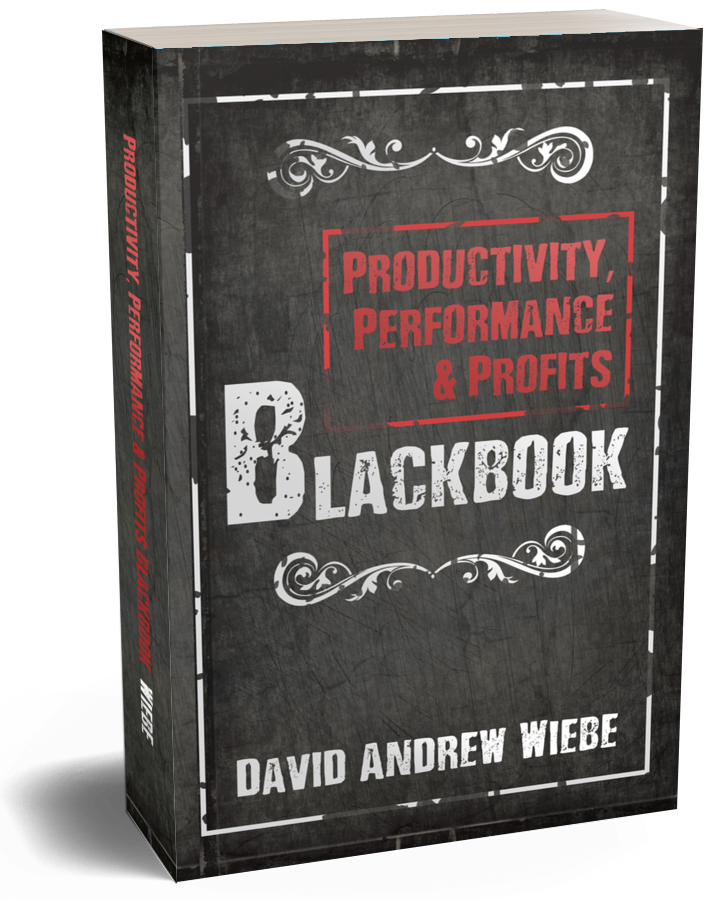
Claim Your Free Book
The ultimate guide to getting more done for artists. Get real results in productivity. get more done