This was a long and difficult read, though certainly compelling.
You may know the blockchain as the technology undergirding cryptocurrencies like Bitcoin.
What you may not know is that the blockchain could change the way transactions – not just financial, not just crypto, but all manner of transactions – will be completed in the future.
And some of my colleagues believe that the blockchain could bring positive change to the music industry.
What’s the Problem with the Music Industry?
Last week, I was at an open mic. There’s a Thursday jam that I’ve been going to regularly in the last couple of months.
This is significant, at least to me, because I haven’t been going to many jams or shows since summer 2014.
But the Thursday night jams have given me the opportunity to work on my craft (I try to incorporate a different song in my set every week), get out of the house (I work from home), and get to know some neat people.
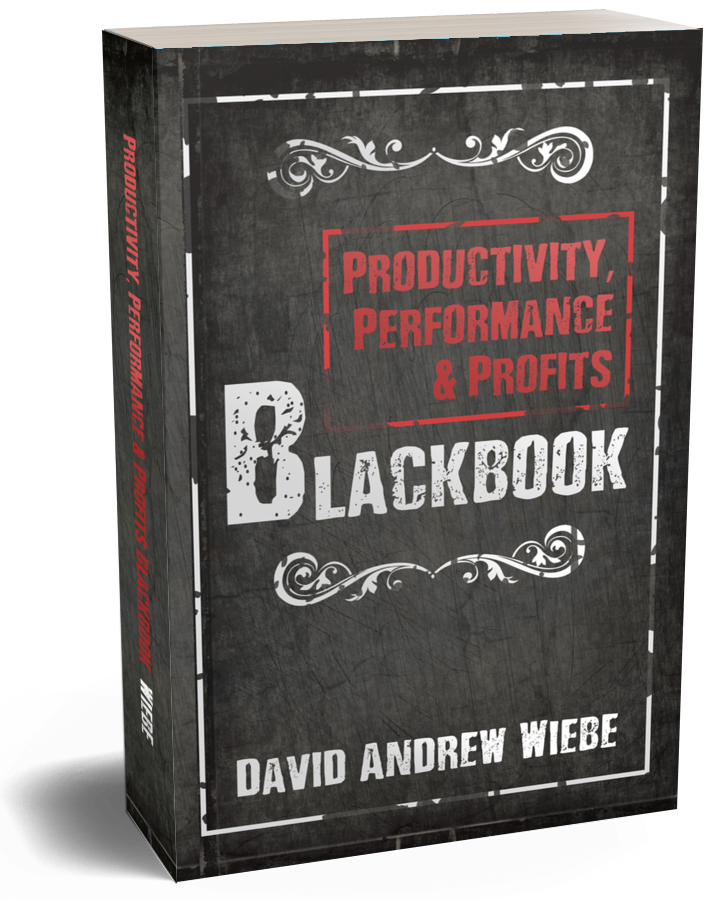
I’ve been making it a point to bring my merch with me whenever I attend the jam, including my CDs and my book.
Last time I was there, there was not one, but two people that essentially said the same thing to me after looking at my book: “nobody’s making money in music.”
You Can’t Make Money in Music?
I can’t speak for you, but in my locality, it’s true, not a lot of musicians are making money by the truckloads or getting calls out of the blue to play killer shows.
There are some exceptions I’m aware of, and I know some of those artists personally, but most people aren’t succeeding at the level they would like to be.
Imogen Heap is an advocate for the blockchain. Perhaps unsurprisingly, she is one of the subjects discussed in Blockchain Revolution.
She keeps less than 20% of all revenue she generates from her music. Wow.
We often think big label artists are making the big bucks, but they don’t even get to keep over 80% of the money they work so hard for.
Now I know what you’re thinking. 20% of $1 million is $200,000. Not a horrible deal, right?
But imagine your band landed a record contract. Your album bombs, and your tour is humdrum. You still somehow manage to generate $50,000 in a year.
But you don’t have Imogen Heap’s contract, so you only make 10% of that – $5,000. Hardly enough for a band of any size to live on, especially over the course of 12 months.
And of course, the label lets you go because they don’t believe in your future potential – they want success now.
You’re Talking To The Wrong Person If You Think You Can’t Make Money In Music
I know I’m jumping around a bit, but let me handle the objection from earlier.
When people look at my book and say, “no one’s making money in music”, what they’re really saying is, “why should I give you my money when I can’t generate any money in my music career efforts?”
The truth is, nothing could be more ridiculous.
I’ve talked about 17 ways I’ve made money in the music industry right here on the blog. And that number is even higher now – I just haven’t had the chance to update the post in a while.
In my book, I even mention several artists that are creating a following and doing things on their own terms – Tiffany Alvord, Igor Presnyakov, Pomplamoose, OK Go, Amanda Palmer, Macklemore & Ryan Lewis, Lindsey Stirling. On the list goes.
Sure, some of these people might have more of a backing than they once did. The point is that they worked for what they have, and they’re doing alright.
Looking for newer examples? How about Stevie T?
Closing Thoughts
Here’s what I’m getting at. I don’t agree that it’s impossible to generate good income in music. But I do agree that the industry has got some problems.
And some of my colleagues believe nothing will change until we can eliminate Payola and the chokehold labels and tech companies have on music.
But they nevertheless believe that the blockchain could bring about meaningful change to the industry, that it would make music more profitable for artists at any level.
Interested in learning more?
Have a listen to my interview with George Howard on Music2020.
So, what are you doing to prepare for the year ahead? Have you reflected on 2016? Have you set new goals?
It can be hard to know what to do this time of year. A lot of people slow things down and kick it back for a while. Is that the best thing you could be doing, or is there a way to make better use of your time?
In this episode of The New Music Industry Podcast, I share some thoughts on end-of-year productivity.
00:14 – I wanted to talk about seven things to do during the holiday season
00:37 – What’s the most productive use of your time?
01:02 – Rest
01:27 – Prepare for 2017
01:40 – Reflect
02:01 – We learn more from successes compared to failures
02:37 – Archive
03:21 – Drive towards your goals
03:55 – Plan
04:34 – Set new goals
05:04 – Don’t set too many goals
05:32 – Purge
05:58 – Time is a finite resource
06:16 – Thanks for listening
Transcription:
Hey there. In this video, I wanted to talk about seven things to do this time of year. And by “this time of year”, I mean the holiday season of course.
There’s a lot of people running around, buying presents, drinking eggnog, eating lots of goodies, getting together with friends, and maybe even doing nothing. Just lounging around, watching TV, playing video games. Not that there’s anything wrong with all of those things.
But you might be asking yourself, “Is that the most productive use of my time? Should I be following suit and doing what everyone else is doing? Or, are there some other things that would be good for me to focus on?”
And if you’re asking those questions, well, you’re in the right place.
So, let’s get to point number one. All my notes are over here, so you might see me looking over there from time to time.
My first point is rest.
This may not apply to everybody. And you may even find this surprising coming out of my mouth. But if you are tired out, and burnt out, and you’ve been pushing hard for your goals all throughout the year, and you just don’t feel like you have anything left to give, that’s really not a great way to start the New Year, is it? You’re just going to drag that into 2017.
So, if that describes you, if you’re really exhausted, I would take some time to rest, get proper sleep, maybe a little exercise and laughter, and then you’ll be ready for another year and new opportunities.
My second point – I think this is good for everybody to do – is reflect.
Think about what went right, what went wrong, what were some of the lessons that you learned in 2016? Most people don’t do enough reflecting, and that’s why they don’t change or grow in anyway. So, this is something that you should definitely be doing.
Recent studies show we actually learn more from our successes than our failures. That’s the opposite from what we’re taught. So often we read quotes that say, you learn the most from your failures. But there might be some new research showing that isn’t the case. And we have a tendency to write off our successes as just mere coincidence, but there’s a lot of things that you probably did right to get to where you are, to accomplish what you did, so take some time to reflect on both. But also don’t forget to observe what you did learn from your successes.
So, that means you might have a lot of loose files just on your desk, and they need to be filed away into the appropriate folders. Maybe bill payments and things like that.
And the same could probably be said for your computer or your desktop. There’s just a lot of files that need to be slotted away, moved out of your consciousness so you can free up some mind space and actually have the energy and resources to focus on the things that you want to accomplish moving forward. Clutter can get in the way of that. So, this might be a good time – especially if you’re one to get distracted by those kinds of things – to start eliminating them.
The next thing is to drive.
So, if you feel like you squandered this year, and you’ve got a lot of energy left, and you feel like you’ve got more to give, this might be a good time to get some things done. And there’s still some time left before we make it to 2017, and the “holiday season” doesn’t really end until the second week of January. So, why not take this opportunity, take this chance, to accomplish some things that are still lingering on your to-do list or goal list?
The next thing is to plan.
And again, this is something that would be good for all of us to do. Look ahead into 2017. What do you want to accomplish? What do you want to be able to do? When do you want to take some time off?
Maybe if you have a tendency of just laying things back and doing nothing during the summer, instead of just randomly taking some time off over the course of the summer, why not just book two or three weeks in advance so everybody knows that you’re not available, and you know you’re not going to be doing anything during that time. And that way, it makes things more predictable for everyone. And so, that would be a good thing to think about.
The next thing is to set new goals.
You probably have some lingering goals or leftover goals from 2016, and you should review that list. Check off any goals that you did accomplish. Get rid of ones that are no longer relevant and don’t really matter to you anymore. And if there are some that you want to carry over into 2017, because they’re really important to you, then put them on your new list. But either way, make a new list.
And don’t set too many goals. Have only one, two, or maybe three per quarter. So up to three goals per quarter for every three months of the year. And that’ll bring you to about 10 or something like that. Maybe between seven and 10 goals, and that’s manageable.
And try to live your life more in 90 day capsules as opposed to 365 days. And get things done, and drive towards getting things done in that time-frame.
Finally, take some time to purge.
This is a lot like what I was mentioning earlier. Things can pile up. You might have a lot of clutter. And these things can distract you from achieving the things that you really want to be able to do in 2017.
So, get rid of things that seem irrelevant, don’t really matter anymore. And take some time to carefully evaluate because we only have so much time. Time is a finite resource, and it’s the most important resource that you have, and you shouldn’t be dedicating any more time to projects that don’t matter to you. So, begin to prioritize and just get rid of any that don’t seem priority at this moment in time.
So, I hope this list helps you, and enjoy the holiday season.
00:34 – I’d like to thank some people that have been supporting me
00:54 – The Fizzle team
01:30 – James from SuperFastBusiness
01:54 – Podcast guests
02:10 – Music2020.org
02:16 – Mike from Treemansion
02:19 – Maveen from Discover Your Life Today
02:35 – Musicians and friends
02:55 – Music marketing peers
03:12 – Band members
03:14 – Guest posters
03:42 – You
Transcription:
Hi there. It’s just about Christmas as I record this, so from everyone here at The Music Entrepreneur, I wanted to extend holiday greetings to you.
And most of that just me, there are some behind-the-scenes people and some contractors that make it all possible, but from all of us, Merry Christmas and a Happy New Year.
In this video, I wanted to thank some of the people that have been supporting me and helping me out this year, and possibly even from years past.
I know that it’s possible I’m going to end up missing somebody or multiple somebodies, but still thought it would be worthwhile to acknowledge all those who have been helping and supporting me.
The first is the Fizzle team. You can find their website at Fizzle.co. They have an online community for entrepreneurs, and various courses teaching you how to build your independent online business. And it’s a really great resource and a really great site, and I was a client until recently. I was one of the community members. The reason I’m no longer with them is because I found some other resources that I think will help me take things to the next level. But I still want to say my thank yous and I’m still going to be an avid Fizzle podcast listener because their podcast is awesome and it always makes me laugh.
The next is James from SuperFastBusiness. James, I’ve only ever chatted with you once, but I’ve been looking at your resources and your website and your podcast, and I’ve been getting a lot of out of it. Own The Racecourse is amazing – I think it’s helping me take things to the next level with my business, so thank you. I’m not a client of yours yet, but I may be in the future.
I’d like to thank the good folks at Music2020.org. Scott and George, you guys are awesome. Mike from Treemansion. Maveen from Discover Your Life Today. He’s always helping me brainstorm new ideas and new strategies about how to grow and build my business, and we also launched a podcast called Using Your Power this year, which is awesome. So, thanks so much Maveen.
Darryn from Martini Tango for inviting me out to perform again as a solo musician – something I don’t always do as much as I would like to, but it was good getting out there again. Adrenalize and Long Jon Lev – it’s been really great performing with you guys this year and I look forward to an even better 2017.
Rupert from Cheeky Promo. Thanks so much for sharing all the content that we create here at The Music Entrepreneur, I really appreciate it. Corey from Musicgoat – you’ve been awesome all along, it’s been great connecting with you, and I hope we can connect again in the New Year.
Anna and Taylor. And all of our wonderful guest posters. A lot of you have contributed really great content to The Music Entrepreneur site throughout the year, so thank you so much for adding your thoughts, your insights, your ideas into what’s happening with the music industry and how musicians can further their career. I’m sure a lot of people have gotten value out of that. So, it would take much too long to mention all of you, but thank you for adding the content you have to the site.
And finally, of course, I’d like to thank you. Thank you so much for being a part of the community, for checking out all the content that we create, some good, some maybe not so good, but I hope it’s added value to you, and I look forward to another great year.
Hey, gang! This guest post comes to us via Kayleigh Alexandra at MicroStartups.org.
Have you ever thought about launching your own online store? Are you looking for more flexibility in the ways you sell your music and merch?
Then have a read through this post, as there are a lot of great tips.
As a musician, you probably already know that honing and perfecting your craft is only half of what it takes to become successful. Getting your music out there and into the hands and ears of the public – via marketing and promotion – is just as important, allowing you to build an audience and earn money through sales of your songs and merchandise.
Perhaps you already use a microsite platform such as Bandcamp (read the Music Entrepreneur HQ explanation of Bandcamp here) to promote your work, but you’re keen to take it to the next level with an online store of your own. Having a clear and obvious destination for your fans to be able to access your work is a key part of building your profile as a musician, as well as making money. Whether you make music or you’re a teacher selling online courses and training, an online store is the ideal hub from which to operate.
Setting Up Your Online Store
Using a hosted online platform like Shopify, you can create an attractive e-commerce platform in a matter of minutes, choosing from a range of customizable themes and designs to reflect your band’s style and personality. There are designs created specifically for musicians’ needs, and by including apps such as Merchify, you can up the sales with apparel and band merchandise.
The beauty of selling directly to your fans and followers through your own online store rather than a music marketplace is that not only do you avoid paying fees on sales, but you also gather useful data. You can find out more about your fans – who they are, what they like, their demographics – and you can also collect their email addresses, so you can keep them updated about upcoming tours, new tracks and special offers with a regular newsletter.
What To Add To Your Website
As you create your band’s online store, think about what your followers will want to see. Here are some areas to consider building out on your site to keep visitors engaged:
An events calendar: this is where you should display all of your upcoming shows and gigs so fans know when and where they can attend
A blog: this is a good place to air your thoughts and opinions, talk about your experiences and give your fans a taste of what’s going on behind the scenes
Media: plenty of images and videos will bring your site to life and give visitors the best impression of you and your music
A community forum: this is a great way to give your fans a platform on the site to interact with one another and share their interest
Social buttons, RSS and email signups: make sure there are plenty of ways for your fans to share and find out about your work
How To Sell More Products
When it comes to the main section of your website – the store itself – remember that less is more. Not in terms of the number of items (you can sell as much as you want), but rather the layout and design of the page. A site that has too much going on – a popup here, an advert there – can be off-putting for visitors and leave them without a clear, straightforward path to purchase. It’s a good idea to break up the store with different sections and filters, making it easy for fans to find what they’re looking for. You should also pay attention to the presentation of your products. Consider the following:
Images: you should have at least two or three images for each physical item, preferably showing the product from different angles. The customer cannot pick up and inspect the item themselves, so high quality imagery is important
Descriptions: why should your fan buy this product? What makes it so great? Unique product descriptions are important – not only are they your sales pitch, but they also improve your SEO ranking compared to little or no copy
Reviews: assuming that the products you sell are good quality and there’s no reason for customers to be unhappy with them, consider adding a “leave review” feature so that customers can give glowing feedback
Everyone that visits your site is a current or potential fan, so make sure that you offer a little something for everyone – whether it’s a freebie here, a shout-out there or a signed CD up for grabs. Digital items can be sold just as easily as physical products, so think outside the box.
Be Social
Lastly, make sure that there is a way to get in contact through your website. If people are going to be spending their money with you, they will want a way to get in touch if they have any queries. Whether you have a formal contact form or a simply a “contact us” button that links with Facebook Chat, it’s being there for your fans that counts.
To give yourself some inspiration as you build your music website, take a look at the likes of Paolo Nutini, Bruno Mars and Norah Jones’ online ventures.
Are you thinking of creating an online store for your band or music business? What’s been holding you back? Let us know about your own experiences selling music and merchandise online in the comments below.
Very soon, 100% of our digital lives will be stored and monitored inside the cloud.
Anyone that has an iPhone is probably using or very tentatively using the fingerprint ID feature on the phone. Fingerprint ID technology is perhaps the most familiar biometric utility that we encounter. Apple has promised that your fingerprint information is encrypted, and will never be uploaded to their Cloud.
But aren’t you already inside their house when you activate the phone? And even the most benevolent and courteous landlords still have the only master key to the whole house, don’t they?
You may also know that biometric identification is currently being applied to a much wider list of body parts and activities. Facial recognition – Facebook has a facial recognition algorithm, and there’s lots of facial recognition in law enforcement. Retinal and iris scans. DNA verification. Voice recognition. Walking characteristics and gate analysis. Keyboard typing rhythm and mouse clicks.
All these biometric measures, including fingerprint ID, are currently in use, and are being actively catalogued in databases everywhere – from the FBI to Facebook.
There is a developing tech science called multimodal biometrics that seeks to correlate individual biometric characteristics like fingerprint, iris scans, and voice recognition into a much more complete virtual profile of a subject. This virtual profiling, using our biometric data, will become more possible as this information is steadily gathered, uploaded, and stored in The Cloud.
Utilization of this data will depend on how users like the FBI and Facebook choose to apply it, but it’s The Cloud that makes it possible.
Thank you for listening!
What questions will you be taking with you after listening to this episode?
We encourage you to connect with us via social media:
David Andrew Wiebe. Artist coach. Award-winning composer, best-selling author, professional podcaster. The “king of internet music marketing and social media,” and ” productivity master.” learn more
Claim Your Free Book
The ultimate guide to getting more done for artists. Get real results in productivity. get more done